28 STUDENTS JOIN SECOND COHORT OF USM PUBLIC UNIVERSITY FORM SIX PROGRAMME
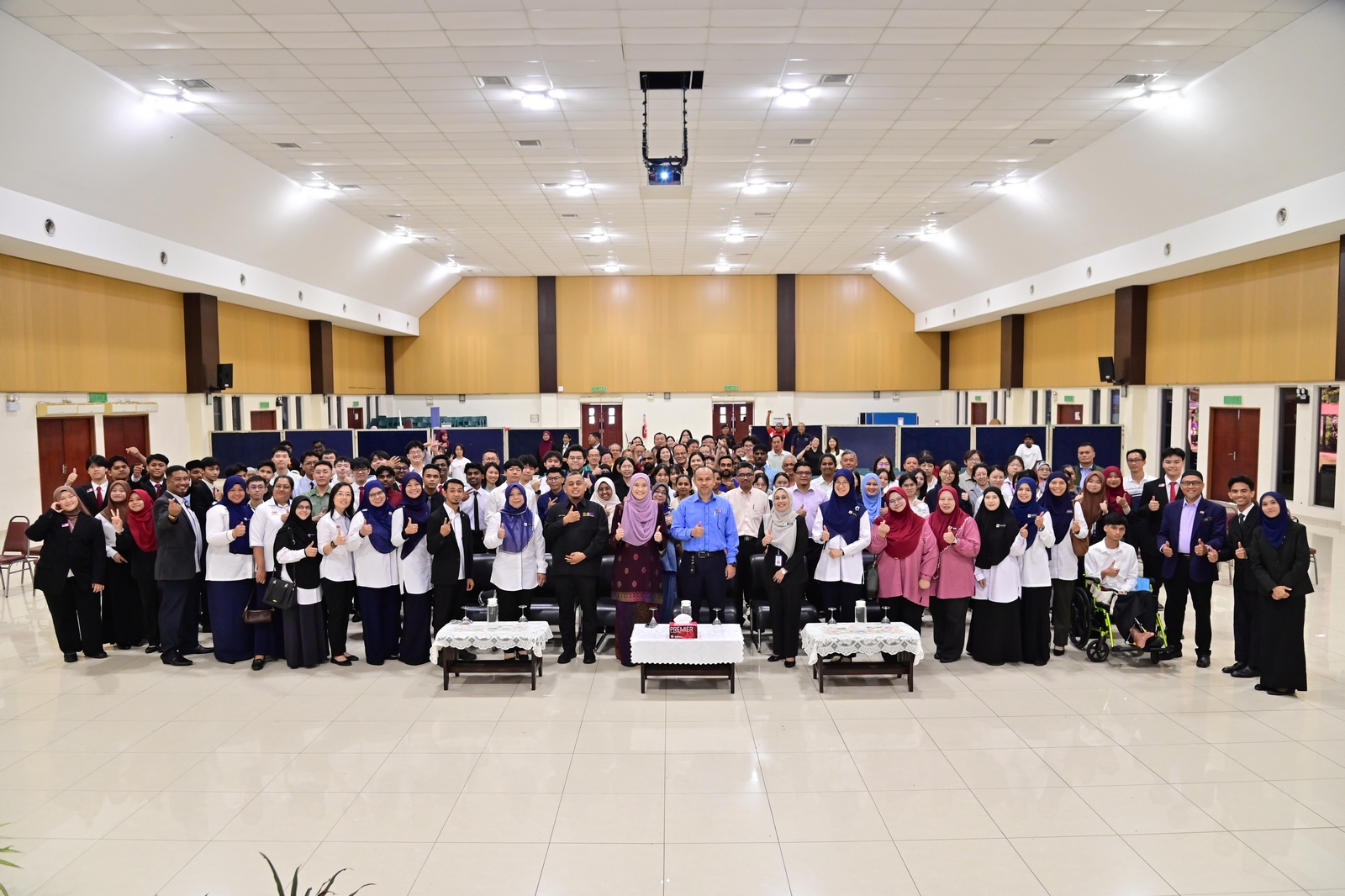
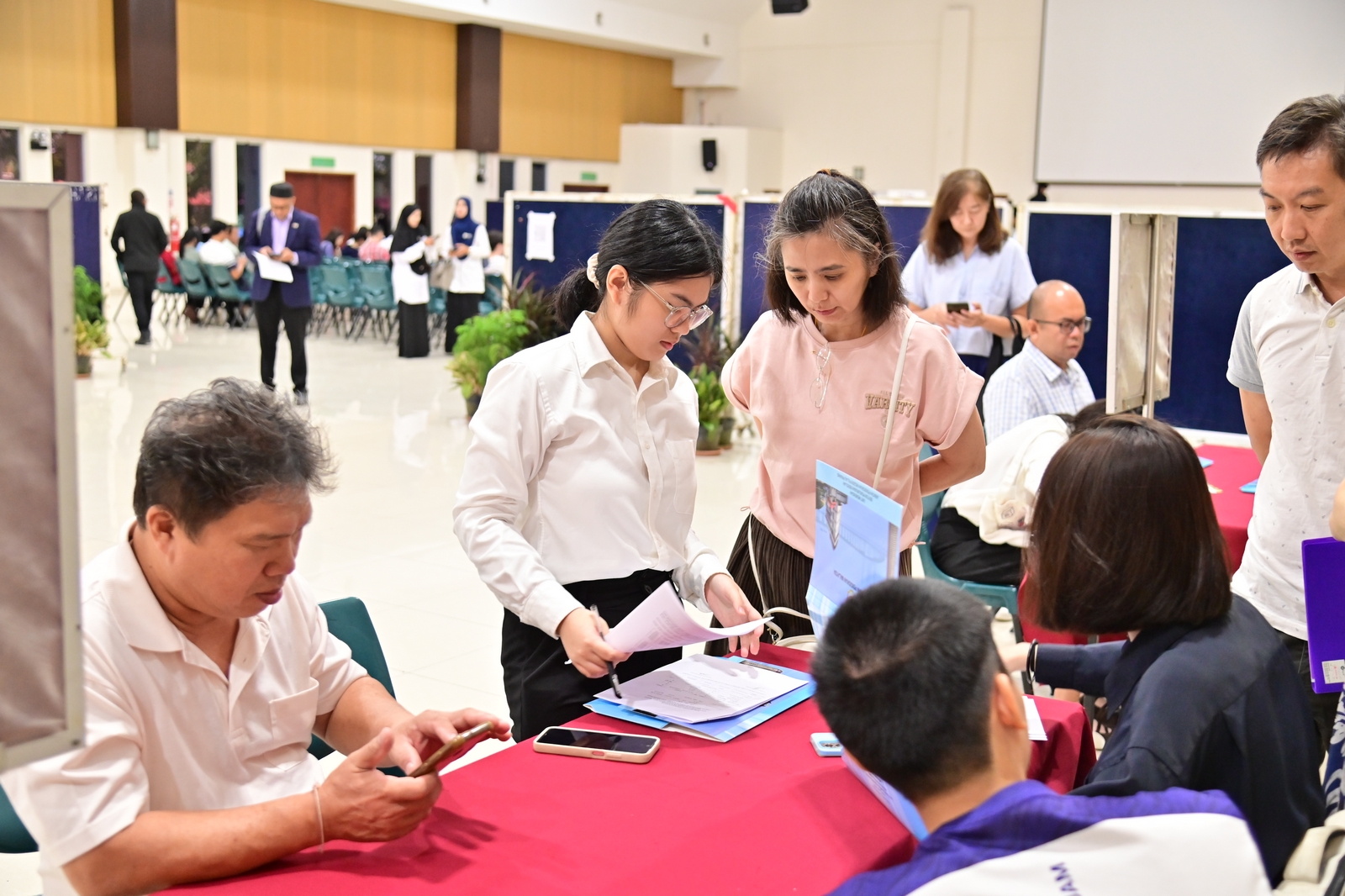
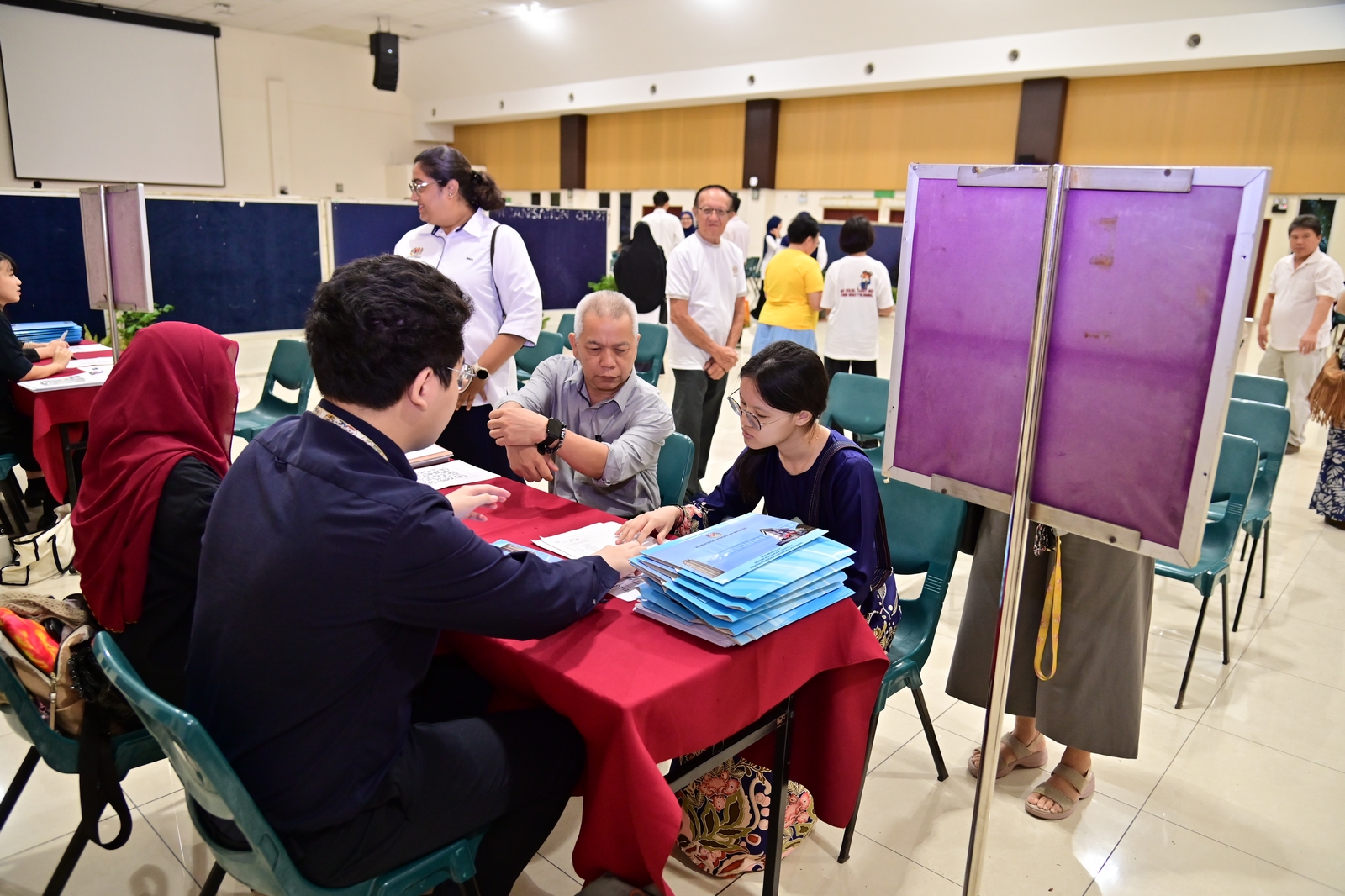
NIBONG TEBAL, 8 June 2026 - The Tuanku Syed Sirajuddin Engineering Campus (KKTSS), Universiti Sains Malaysia (USM), today welcomed the second cohort of students for the Public University Form Six Programme (Program T6 Kampus UA).
The event marked the continuation of a strategic education initiative involving the Ministry of Education Malaysia (KPM), the Ministry of Higher Education (KPT), and USM in introducing a new pre-university pathway based on a university ecosystem.
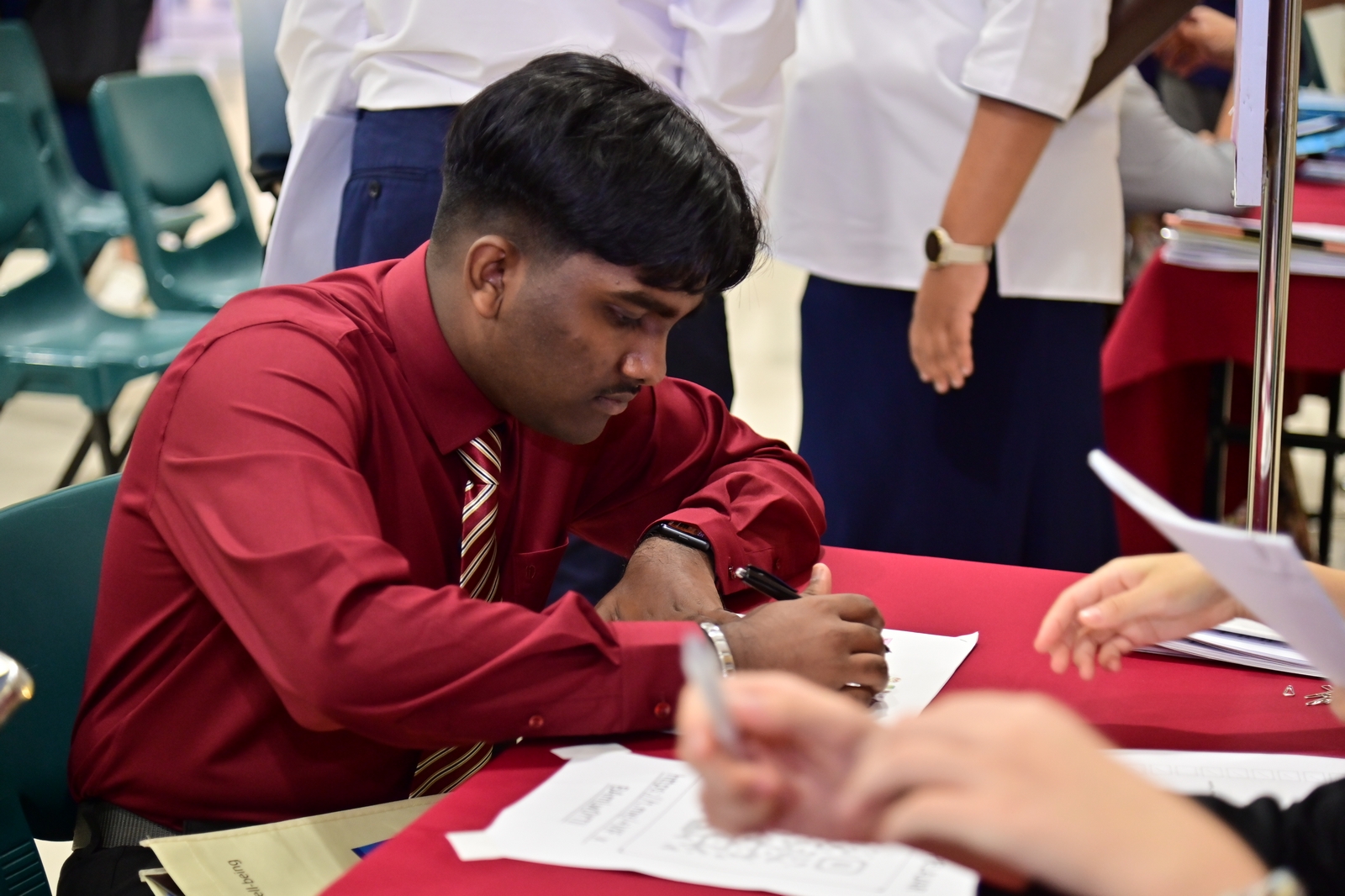
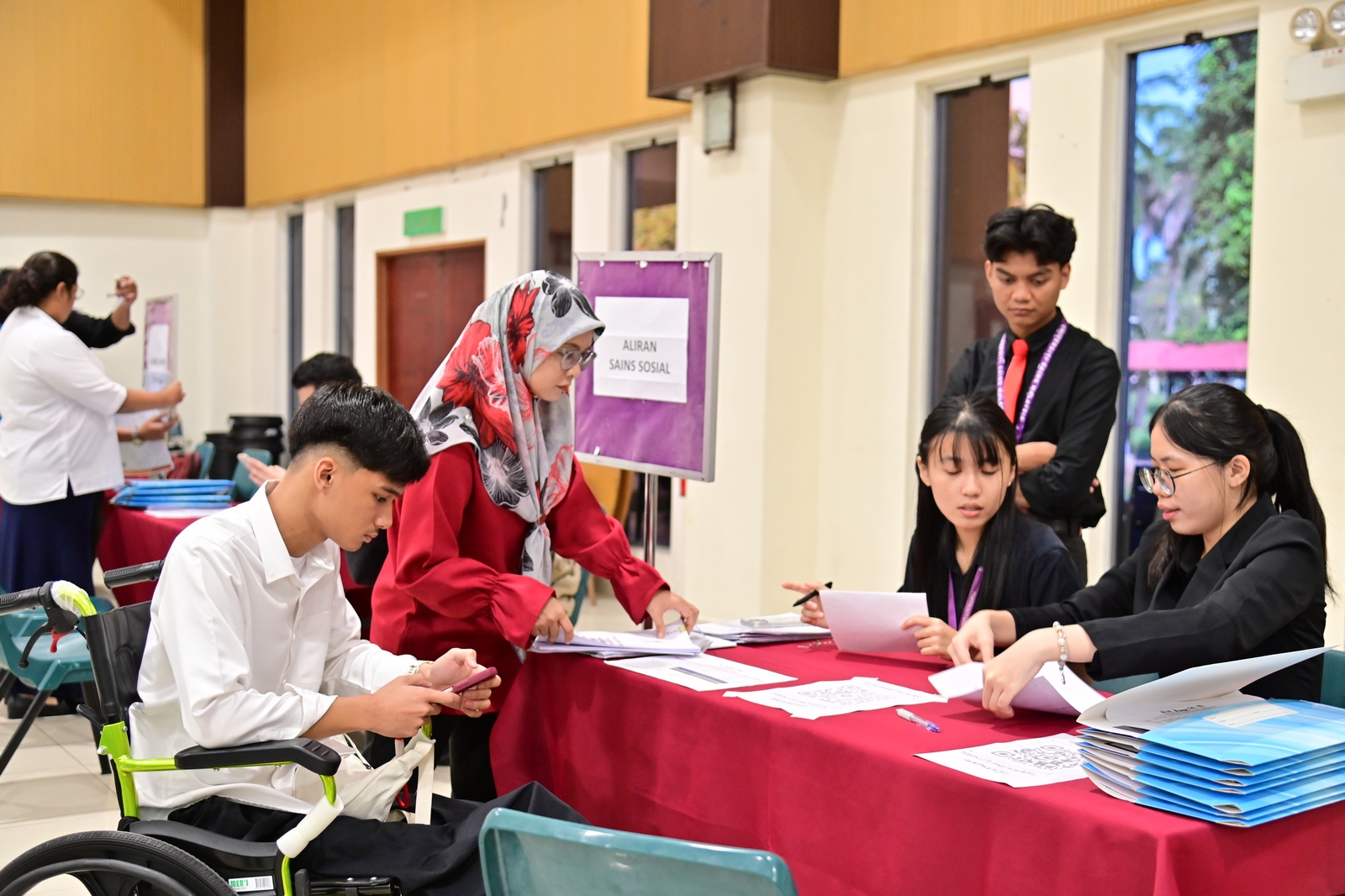
Following the intake of its first cohort on 10 June 2025, the programme has now entered its second phase with the enrolment of 28 students, comprising 16 in the Science stream and 12 in the Social Sciences field.
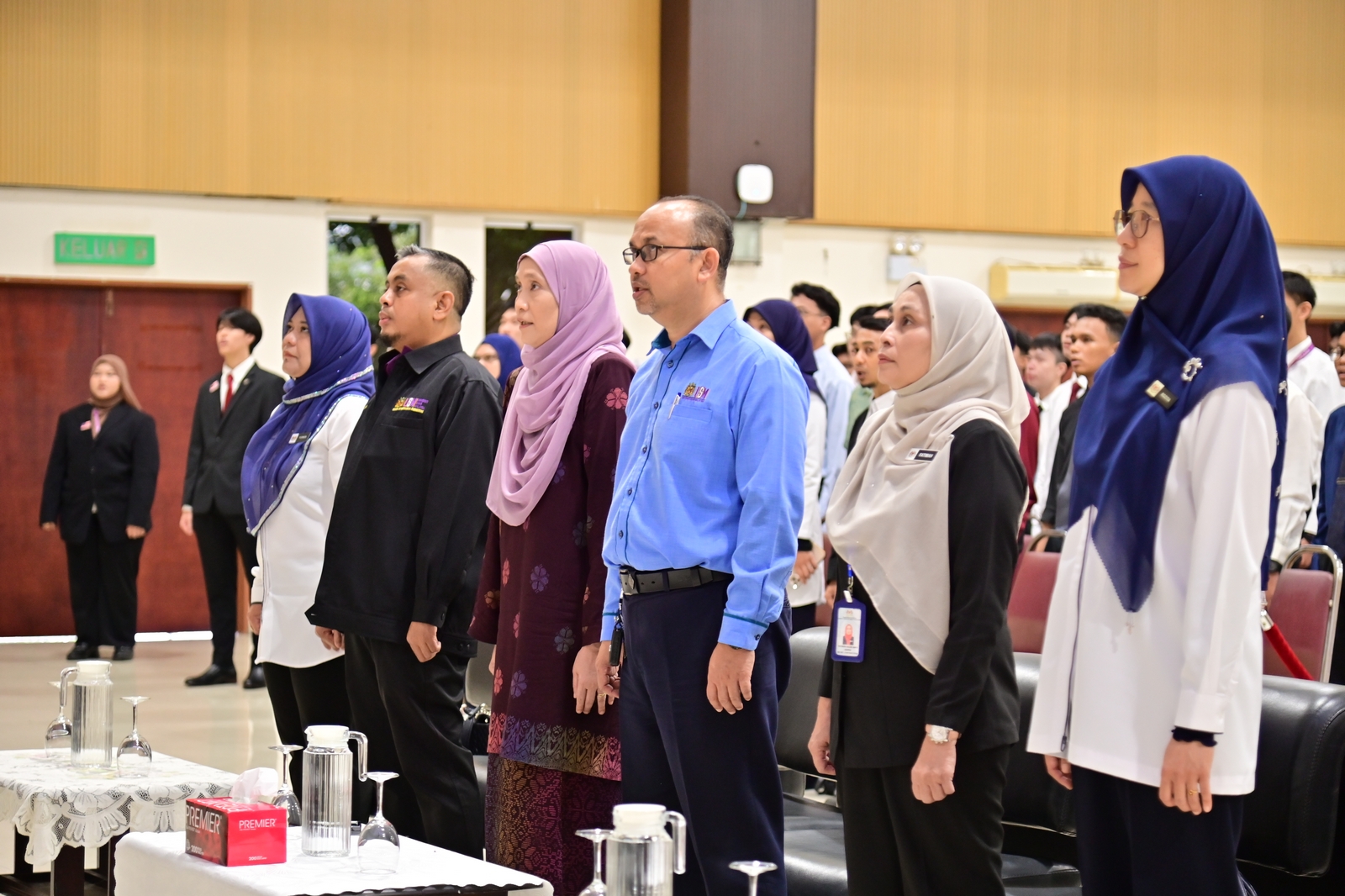
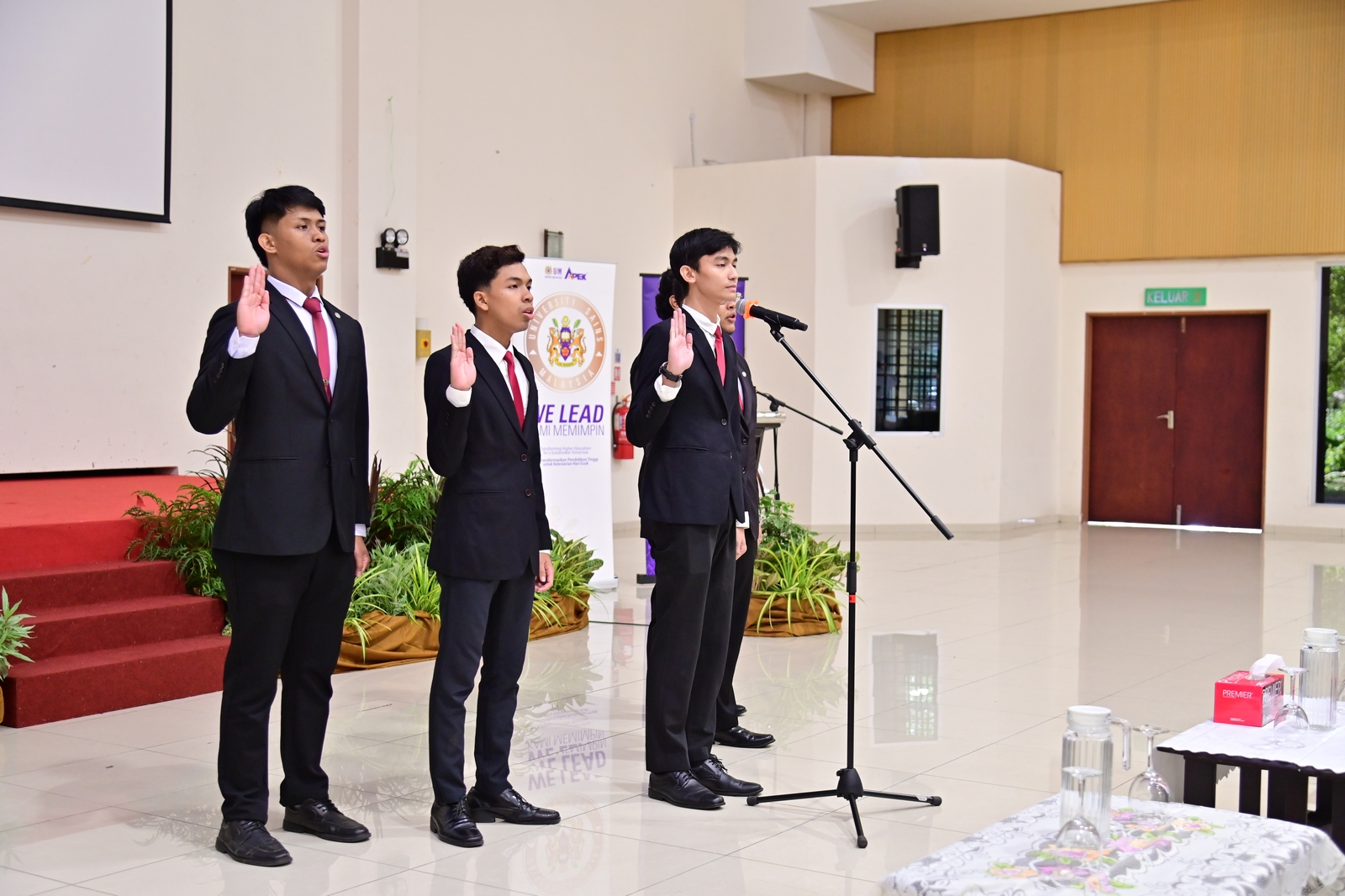
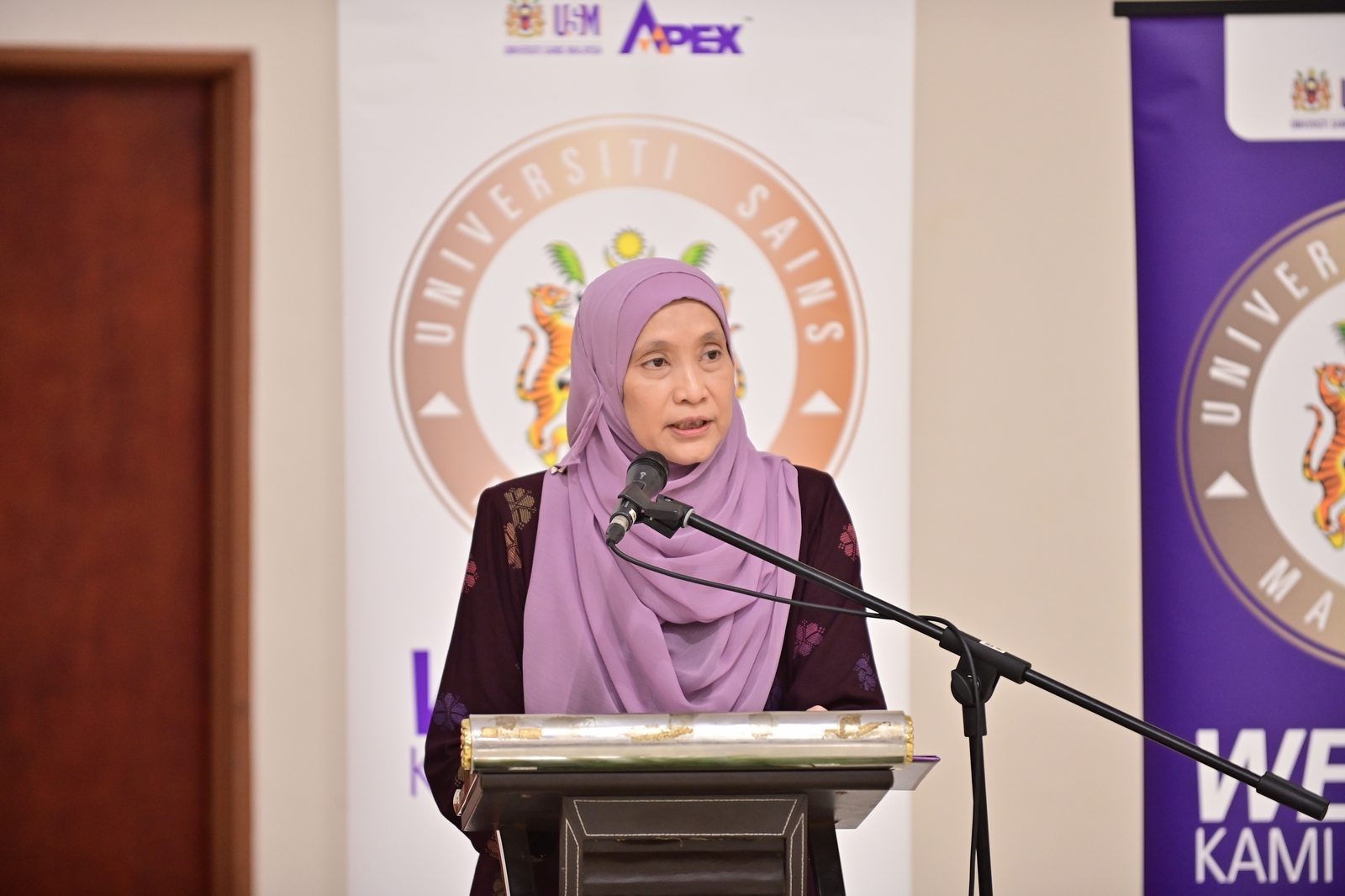
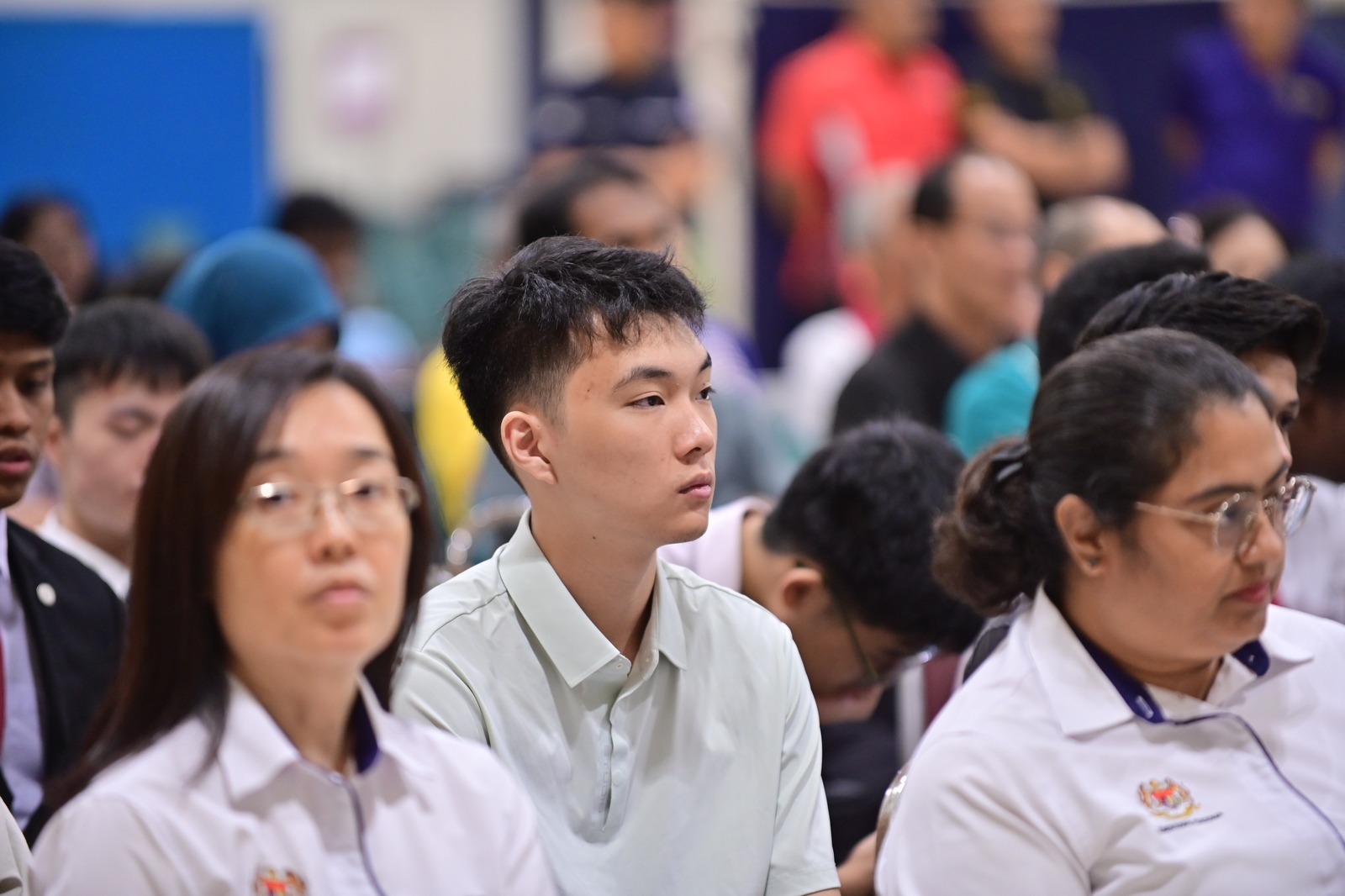
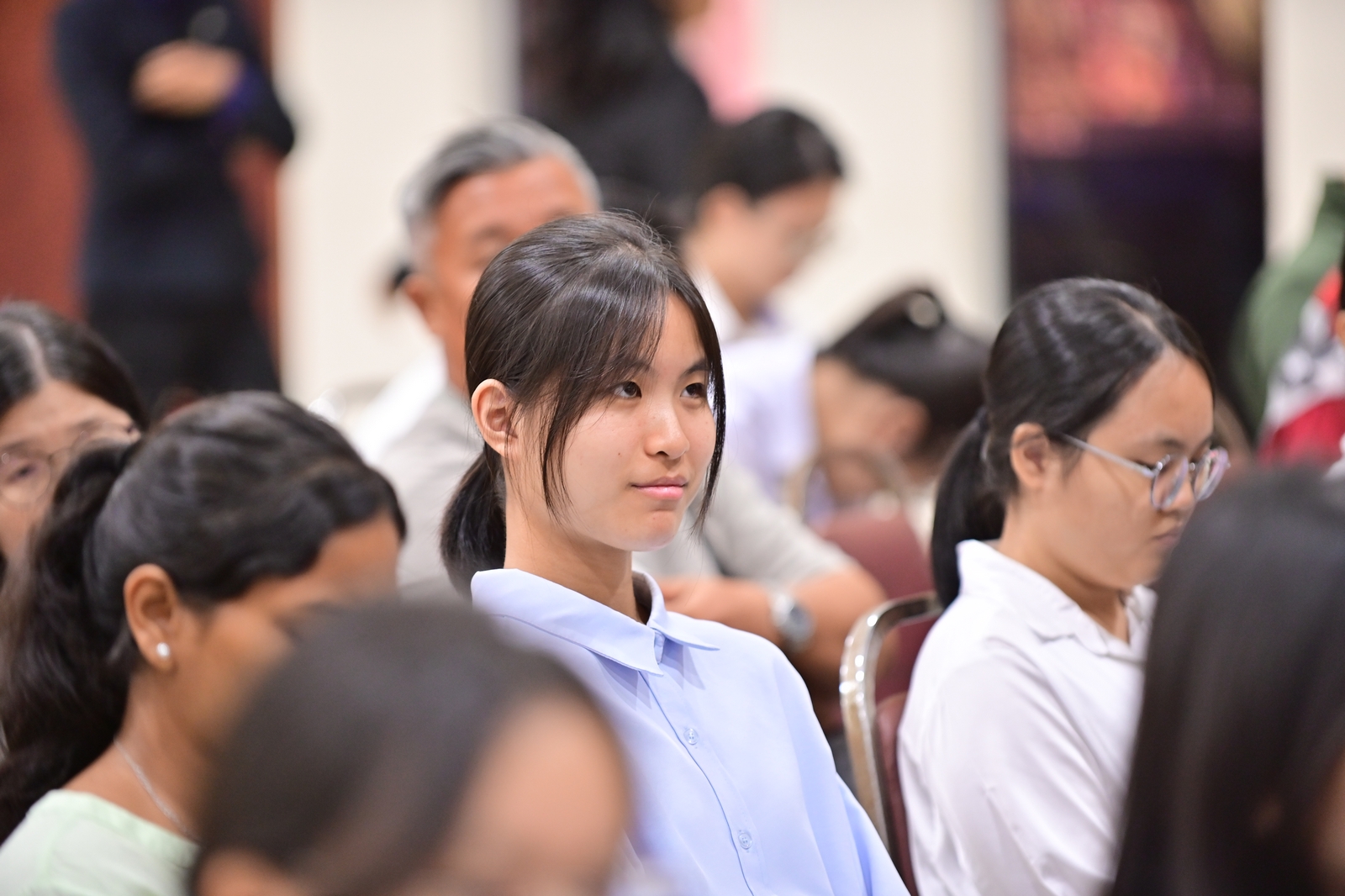
In her speech, the Campus Director of KKTSS, Professor Ir. Dr. Mariatti Jaafar @ Mustapha, emphasised that the presence of the students today was warmly welcomed as the beginning of a learning experience distinct from the conventional school environment.
She explained that students in the programme gain direct exposure to the university setting, including opportunities to interact with undergraduates and experience authentic higher education culture.
According to her, this early exposure allows students to better understand the university landscape, while fostering aspirations to pursue full-time tertiary studies in the future.
She added that the programme adopts an “intellectual assimilation” approach, where Form Six students not only follow the STPM syllabus but are also nurtured in terms of character development and critical thinking through immersion in a real university ecosystem.
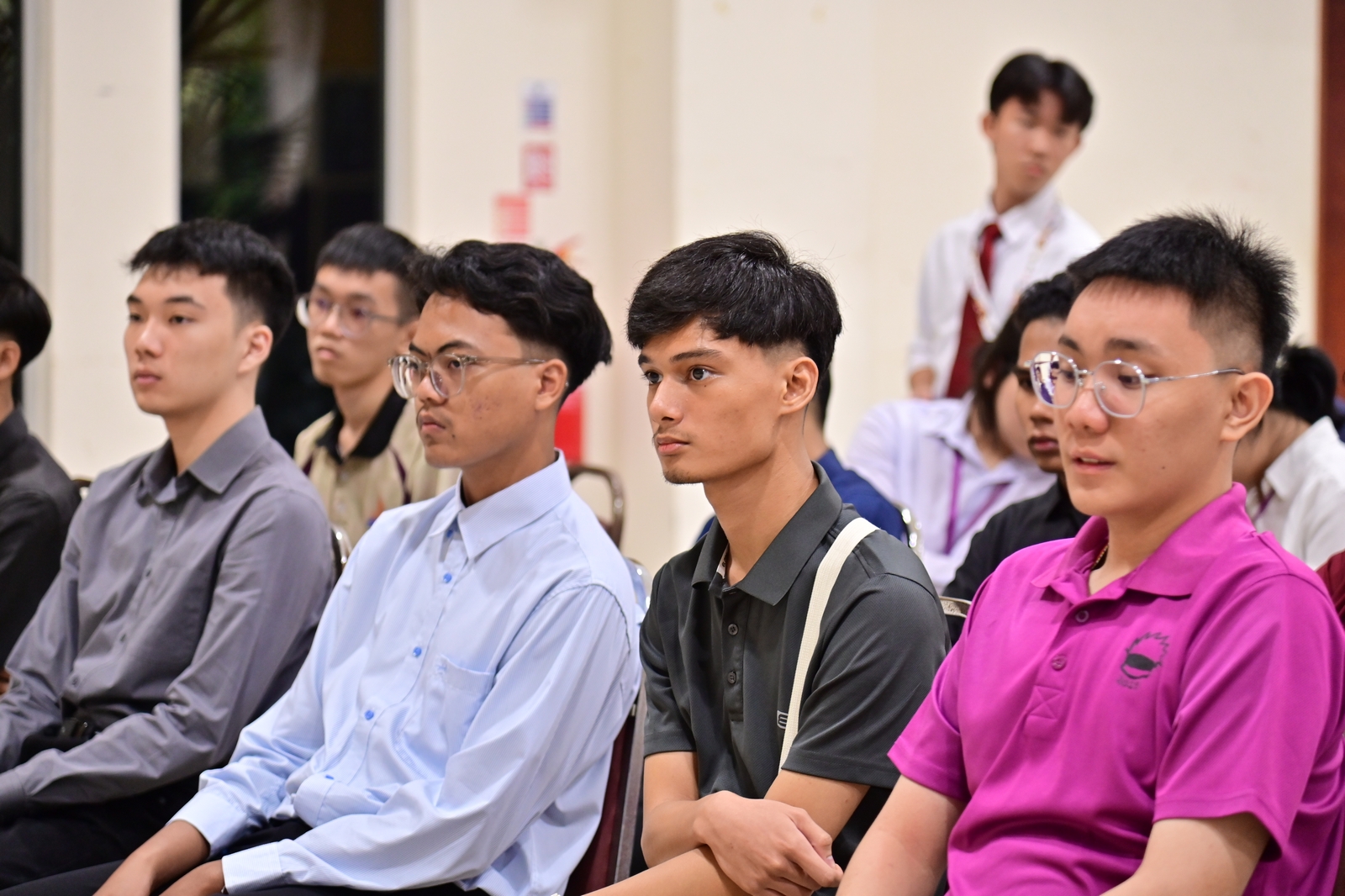

Elaborating further, she described the implementation of the Programme T6 Kampus UA as a bold step in transforming the national education landscape.
“This initiative moves students beyond the conventional secondary school environment and places them directly into a more dynamic university-based learning setting,” she said.
“It is not merely a physical transition, but a new approach aimed at bridging the gap between school education and higher learning,” she added.
She also highlighted that this approach is crucial in ensuring students are better prepared and more mature when they eventually enter higher education, reflecting a collective effort between KPM, KPT, and the university.
Text: Siti Faizah Abd Halim/Photo: Muhammad Taufik Abdul Rahman